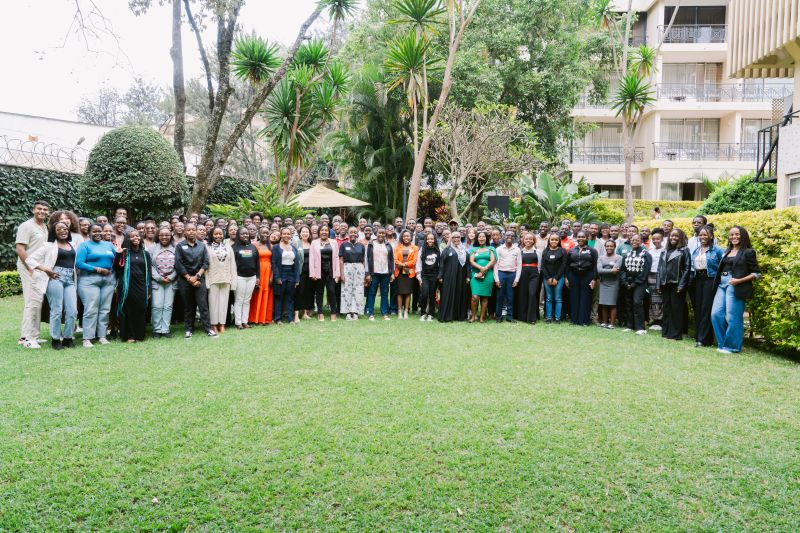
 The NexGeneration of Climate Leaders meeting in Nairobi, co-hosted by visionaries like TED Conferences and the Green Africa Youth Organization (GAYO), has reinforced a vital truth. Youth leadership is the engine of the global climate reset. This convergence of young changemakers focused on moving beyond mere pledges toward tangible, youth-led ventures supported by capacity-building and innovative financing. By centering the dialogue in Kenya a country where 90% of electricity is already renewable the summit served as a live case study in how Africa is not just participating in the climate conversation but leading it through homegrown innovation and systemic change.
 A standout theme of the meeting was the power of cultural storytelling as a catalyst for collective responsibility. Organizations like Shujaaz Inc and Youth4Nature emphasized that translating abstract data into “lived experiences” is what bridges the gap between scientific insight and public action. Through the “story of self, us, and now” framework, young leaders are using narrative to humanize the climate crisis, making the urgency felt across borders and generations. This blend of creative storytelling and rigorous advocacy is what ensures that climate solutions are both inclusive and deeply rooted in local realities.
 The realization that fundraising in the climate space is fundamentally about human connection, not just paperwork. Participants learned that global funders are looking for more than a “great idea”; they prioritize trust, consistency, and clarity. Moving from a “proposal-first” mindset to a “relationship-first” strategy shifts the dynamic of climate finance, ensuring that youth-led ventures are viewed as reliable, long-term partners in the global green transition. This insight is particularly vital for African startups looking to bridge the gap between grassroots innovation and large-scale climate justice funds.
 The Nairobi gathering issued an urgent call for “intergenerational justice” and a radical shift in how we value indigenous and local knowledge systems. Unlocking the trillions in potential climate value across the continent requires more than just capital; it requires a coordinated policy shift that empowers marginalized voices to co-design urban and rural futures. As we move forward, the focus remains on turning these reflections into a “Green Generation” of action—one where collective responsibility and radical collaboration prove that a more resilient world is not just possible, but already in motion.
