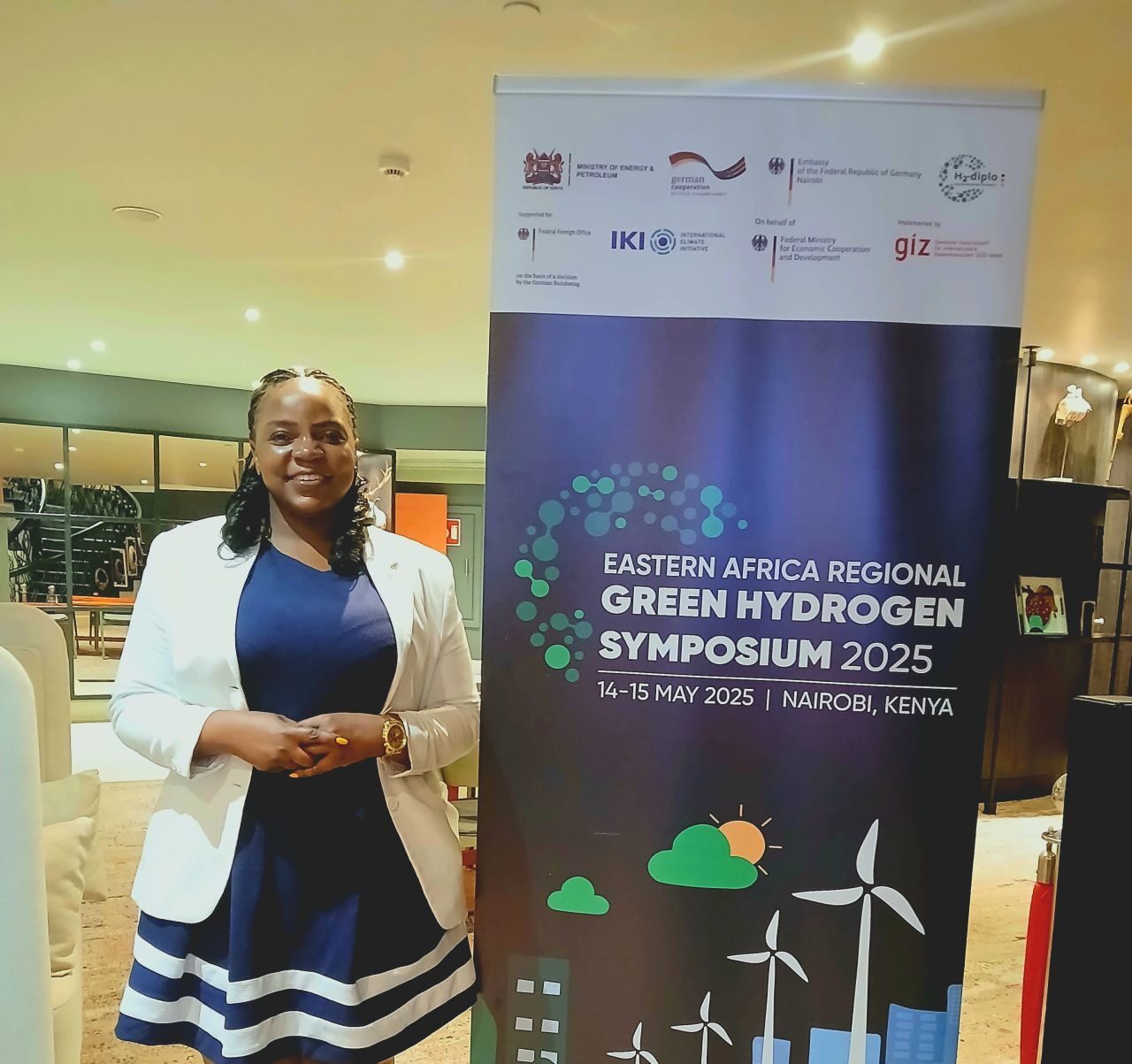
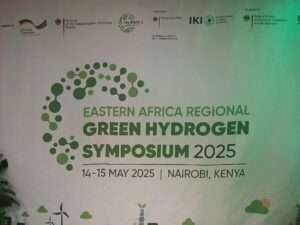
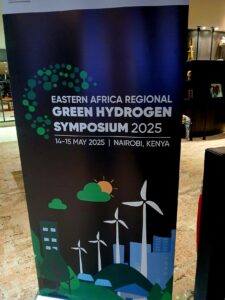
 The 1st Eastern Africa Regional Green Hydrogen Symposium, held in Nairobi on May 14–15, 2025, marked a transformative moment for the region’s energy landscape. With over 300 delegates in attendance, the forum highlighted a landmark €100M investment from Germany into Kenya’s green hydrogen ecosystem, signaling a shift toward high-level decarbonization diplomacy. Supported by the H2-diplo initiative and GIZ, the event shed light on the necessity of clearer policy frameworks and cross-border infrastructure to turn East Africa into a global leader for clean industrialization and resilient, green economies.
 For the mining and extractive sectors, this transition offers a revolutionary alternative to traditional hydrocarbons. By replacing diesel with green hydrogen to power heavy haulage and onsite processing, mining operations can significantly reduce their Scope 1 and 2 emissions while enhancing energy resilience in remote, mineral-rich areas.
This integration allows the industry to move beyond being a mere consumer of energy to becoming a primary driver of the “Just Energy Transition,” aligning mineral wealth with zero-emission technology.
 From a geological perspective, the success of the hydrogen economy relies heavily on subsurface intelligence and sustainable resource management. Geoscientists are tasked with everything from identifying optimal sites for renewable energy generation to exploring the potential for large-scale underground hydrogen storage in salt caverns or depleted reservoirs. By combining these geological insights with strategic international partnerships, East Africa is positioning itself to lead a transition that is both technically sound and economically transformative for the entire continent.
