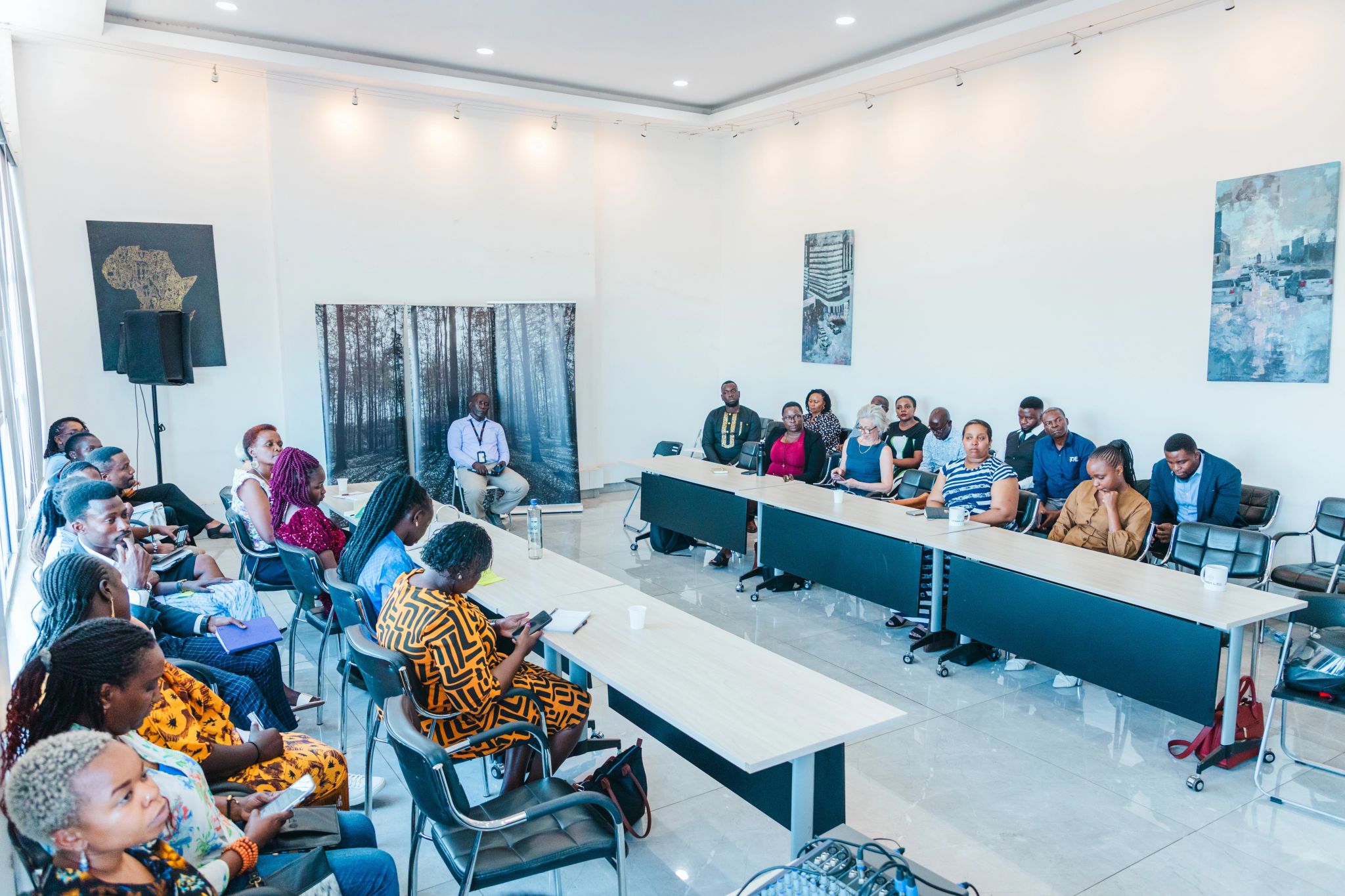
 International Women’s Day 2025, I found myself reflecting on the powerful dialogues shared during the Business Fights Poverty Global Equity Summit held at Westpark Towers, Nairobi. As a consultant with Geol Gist, joining leaders to explore the intersection of finance, climate action, and gender equality was more than a networking opportunity it was a call to align our technical work with global standards of equity. The summit made one thing clear: sustainability is not a solo journey; it is a collaborative mandate that requires us to rethink how we value every hand in the supply chain, from the geologist in the field to the artisan at the wash table.
 A pivotal moment during the IFC-hosted session on outcome-based finance led me to a critical question: How can these financial instruments specifically support women in the mining supply chains destined for EU exports? With the rise of transparency requirements like the CSRD (Corporate Sustainability Reporting Directive) and CSDDD (Corporate Sustainability Due Diligence Directive), the “bar” for ethical sourcing has been raised significantly. For the extractive sector in East Africa, this isn’t just a regulatory hurdle; it’s a strategic opportunity to lead with gender-inclusive reporting and ensure that women at the primary levels of production are not just visible, but economically empowered.
 The “fireside chat” featuring Diageo and CARE emphasized that multi-year funding and deep collaboration are the only ways to shield smallholder contributors especially women against the escalating challenges of climate change. We heard from leaders like Thomas Onyango and Amanda Smith on the necessity of moving away from short-term “project” thinking toward long-term systemic support. This resonated deeply with our mission at Geol Gist; whether it is a smallholder farmer or an artisanal miner, the risks of climate-driven instability are shared, and our solutions must be equally integrated and resilient.
 Insights from Blab Africa regarding the rise of Benefit Corporations (B-Corps) provided a roadmap for the future of African enterprise. Transitioning toward a corporate form that weighs societal and environmental impact alongside profit is the next evolution of the “Resourceful” business model. In the mining sector, this means integrating gender into our rigorous due diligence and mapping resources in a way that actively reduces harm. By adopting these frameworks, we can prove to international markets that our minerals are not only high-grade but also “high-integrity,” meeting the ethical demands of a modern global economy.
 The summit, supported by diverse voices from ABSA, KeNHA, and the FCDO, reinforced that when women thrive, true sustainability follows. It was inspiring to see local innovators like Benard (Severtude) and Eliud (Think Bless) championing inclusive, community-driven solutions that don’t just “tick a box” but create real-world impact. Collaboration across these sectors finance, infrastructure, and geosciences is the only way to ensure that the “Just Transition” actually reaches the people at the base of the pyramid who are often most affected by policy shifts.
As we move forward from Westpark Towers and back into the field, Geol Gist is committed to turning these conversations into operational standards. We are focused on fostering a supply chain that aligns with ethical sourcing trends, reducing environmental harm, and proactively uplifting women in the mining and energy sectors. Let us honor the women in our industry not just with words on a single day, but by building an infrastructure of equity every day of the year. When we invest in the dignity of the supply chain, we invest in the future of the continent.
