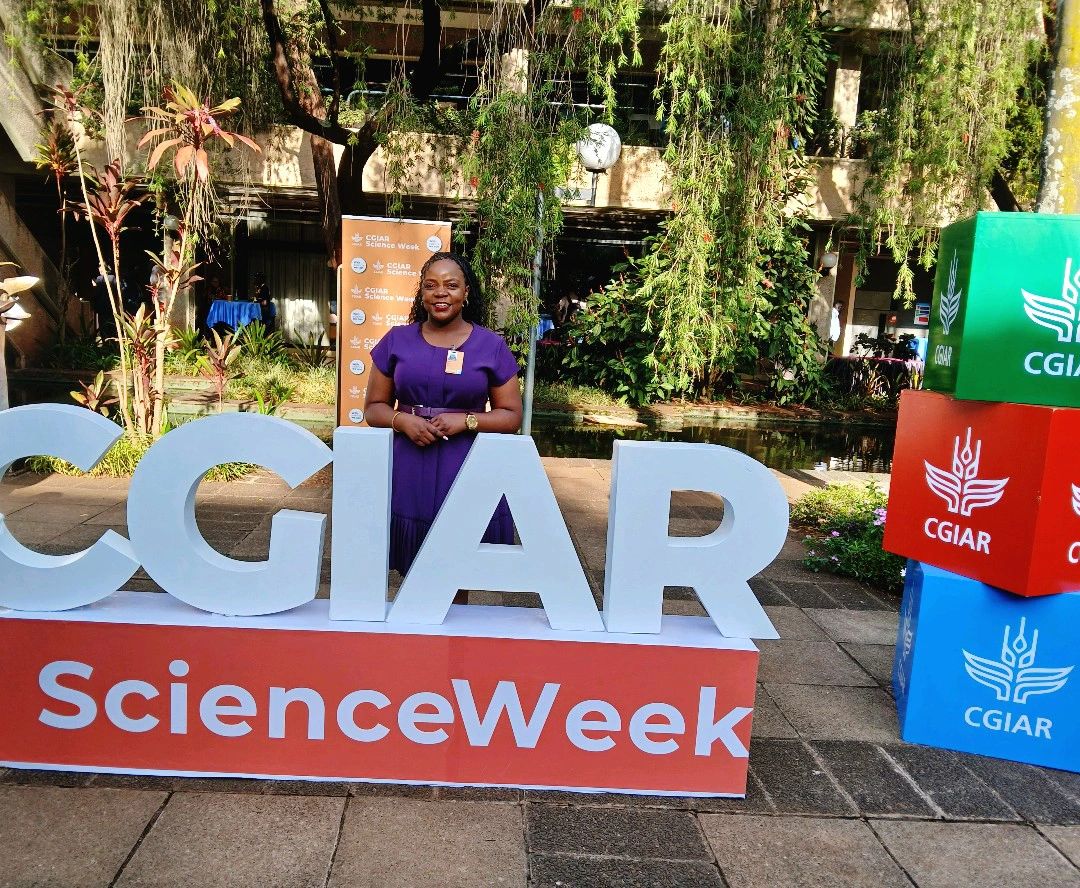
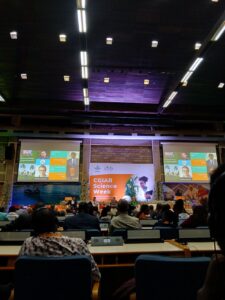
 Nairobi recently stood at the center of global agricultural transformation as it hosted the inaugural CGIAR Science Week. Co-organized by KALRO and held at the UN Nairobi Office, this landmark event drew a diverse assembly of scientists, policymakers, and innovators. High-level representation from the World Bank, the African Union Commission, and Kenya’s Ministry of Agriculture underscored the urgency of the discussions. Being among the delegates, it was clear that the dialogue has shifted: we are no longer just talking about farming, but about the high-tech, science-driven resilience required to feed a changing continent.
The centerpiece of the week was the official launch of CGIAR’s 2025–2030 Research Portfolio. This ambitious roadmap signals a bold transition toward community-driven solutions that tackle the triple threat of climate change, food insecurity, and natural resource depletion. By bringing together funders like IFAD and the World Food Programme (WFP) with researchers from ILRI and FAO, the portfolio creates a unified front. For those of us in the technical sectors, this portfolio serves as a blueprint for how cross-sectoral investment can scale locally driven innovation to meet the 2030 Sustainable Development Goals.
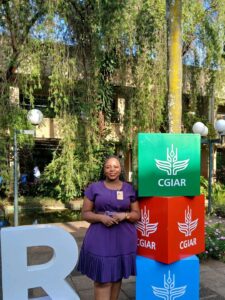 As a geologist focused on sustainable resource management, I found the integration of water, soil health, and land restoration particularly inspiring. In the East African context, the “Subsurface” is the foundation of the food system. You cannot have food security without sustainable groundwater management or healthy soil mineralogy areas where geosciences play a pivotal role. The event reaffirmed that the transition to resilient food systems is inextricably linked to how we manage our earth’s physical resources. Seeing organizations like KALRO prioritize land restoration proves that geology and agriculture are two sides of the same coin.
The inaugural CGIAR Science Week was a powerful reminder that Africa is not just a participant in the global scientific community; Africa is leading it. The week concluded with a clear mandate for collaboration: scientists must work with farmers, and innovators must work with geologists to create holistic, climate-smart solutions. At Geol Gist, we are energized by this vision. We remain committed to providing the technical tools and expertise from water solutions to mineral processing that support this new era of science-led, sustainable growth for our communities.
