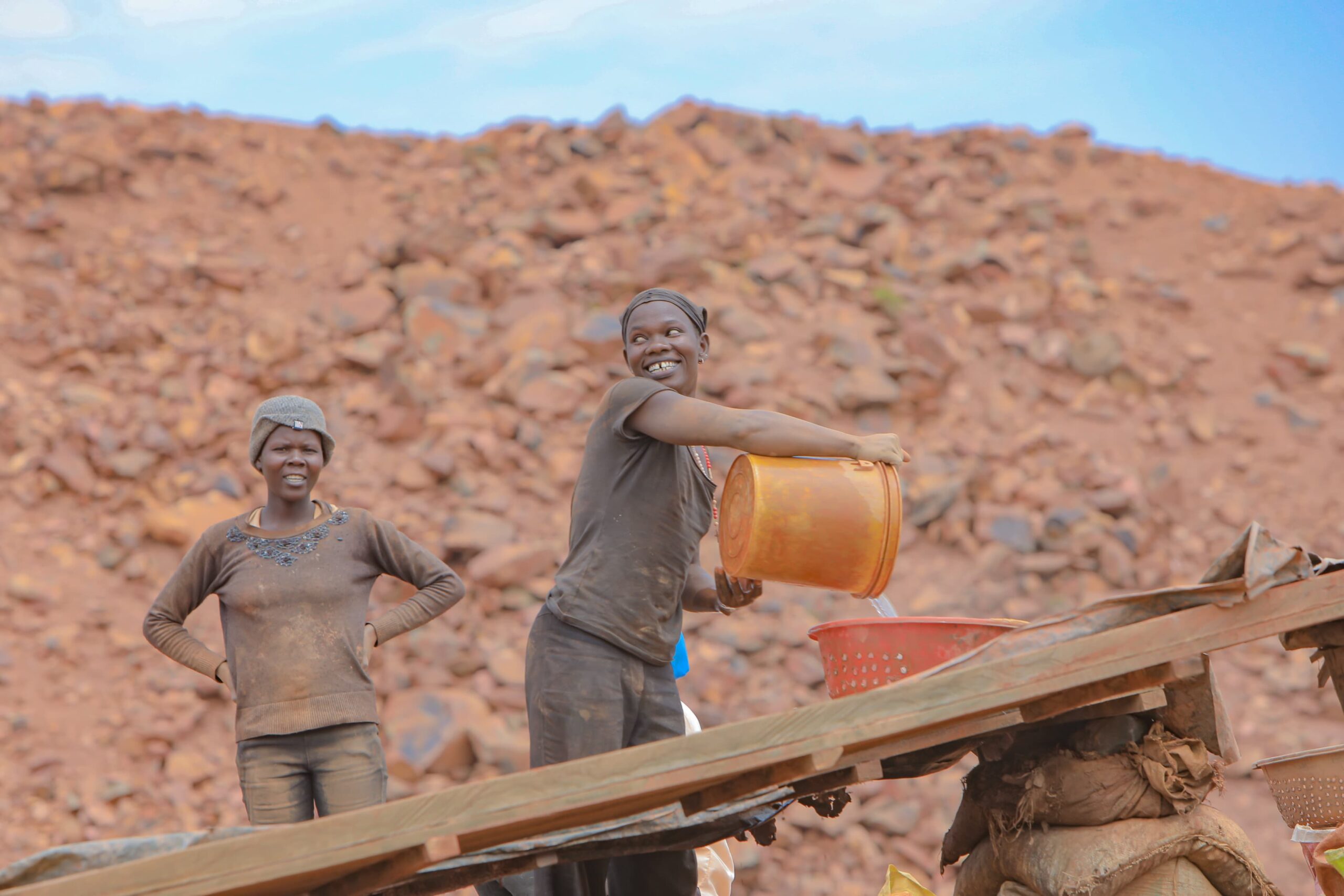
 The heart of Kenya’s mineral wealth often beats in the hands of artisanal and small-scale miners. While large-scale operations frequently capture global headlines, the ASM sector remains a critical lifeline for rural economies, providing livelihoods for thousands. However, for too long, these miners have operated on the fringes facing systemic challenges that range from a lack of formal recognition to the hazardous use of mercury. At Geol Gist, we believe the path to a “Great Green Transition” must begin by bringing these communities into the light of the formal economy.
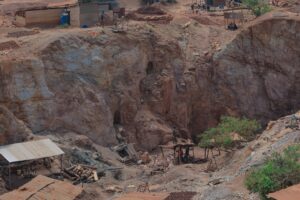 The most pressing challenge facing our miners today is the cycle of informality. Without legal standing, miners are often excluded from financial systems and fair markets, leaving them vulnerable to predatory intermediaries. This lack of security discourages long-term investment in safety or environmental stewardship. When a miner doesn’t know if they will have access to their site tomorrow, they are less likely to invest in the sustainable practices that protect our land and water today.
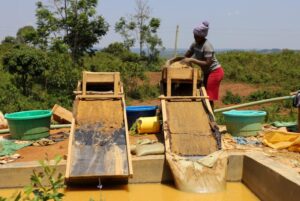
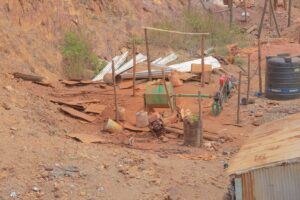 Environmental degradation, particularly the use of mercury in gold processing, remains a significant hurdle. These toxic chemicals not only poison our rivers and soils but also pose devastating health risks to the miners and their families. To achieve a truly stable and ethical supply chain, we must move beyond mere regulation. We need to provide the technical “know-how” and affordable, gravity-based processing alternatives that allow miners to recover more gold without compromising their health or our ecosystem.
At Geol Gist, our proposed solution centers on capacity building and education. We believe that training is the most powerful tool for transformation. By focusing on mineral processing optimization and sustainable extraction techniques, we can empower mining cooperatives to increase their yields safely. When we educate a miner on “cleaning” the gold mineral at the source, we aren’t just improving a process; we are stabilizing a supply chain that global markets can finally trust.
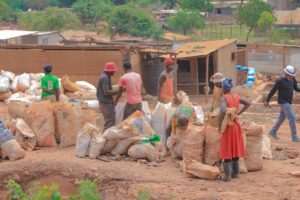 Sustainable exploration must also be inclusive. We advocate for a “Community-First” model where geological data and GIS mapping are used not just for extraction, but to delineate safe, productive zones for ASM cooperatives. By integrating these communities into the national planning framework, we reduce land-use conflicts and ensure that the benefits of natural resource exploitation are shared equitably among those who call the land home.
To bridge the gap between rural mines and the global green transition, we must foster “Clean Gold” corridors. This involves creating traceable pathways where minerals are extracted responsibly and processed ethically. For the renewable energy sector to be truly “green,” the critical minerals powering our batteries and turbines must be sourced without the stains of environmental or social exploitation. Our vision is a supply chain that adds value at every step, from the pit to the final product.
Ultimately, the goal is to transform ASM from a “survivalist” activity into a professional, sustainable enterprise. By prioritizing philanthropic investment in training and human capital, we lay the foundation for long-term resilience. At Geol Gist, we are committed to being the digital and technical hub that facilitates this change. Together, we can ensure that Kenya’s natural resources serve as a catalyst for community empowerment, environmental restoration, and a fairer global economy.
